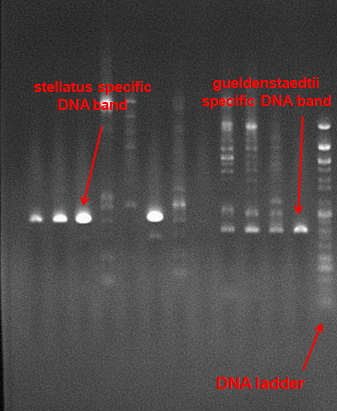
Analysis on sturgeons from fish samples.
SturNet partners successfully collected non-invasive biological samples and advanced molecular techniques for identifying endangered sturgeon species in the Black Sea Basin.
Between March and December 2025, during the water sampling campaigns, project partners from Romania, Bulgaria, and Ukraine successfully collected skin mucus samples from sturgeon individuals captured as bycatch during routine fishing activities.
Following non-invasive sampling procedures, all fish were safely released back into their natural habitat, minimizing disturbance to the animals while enabling valuable genetic analyses.
Subsequent DNA extraction and molecular analyses allowed the research team to identify a total of 14 sturgeon specimens, confirming the value of genetic tools for accurate species identification and biodiversity monitoring.
These results demonstrate the effectiveness of non-invasive genetic sampling approaches for species identification and biodiversity monitoring of sturgeon populations in the Black Sea Basin. The collected data contribute to a better understanding of species distribution and hybrid presence in the wild, supporting ongoing conservation and management efforts.
Supporting images from the analysis include sturgeon detection from fish samples and sturgeon species detection in water samples.
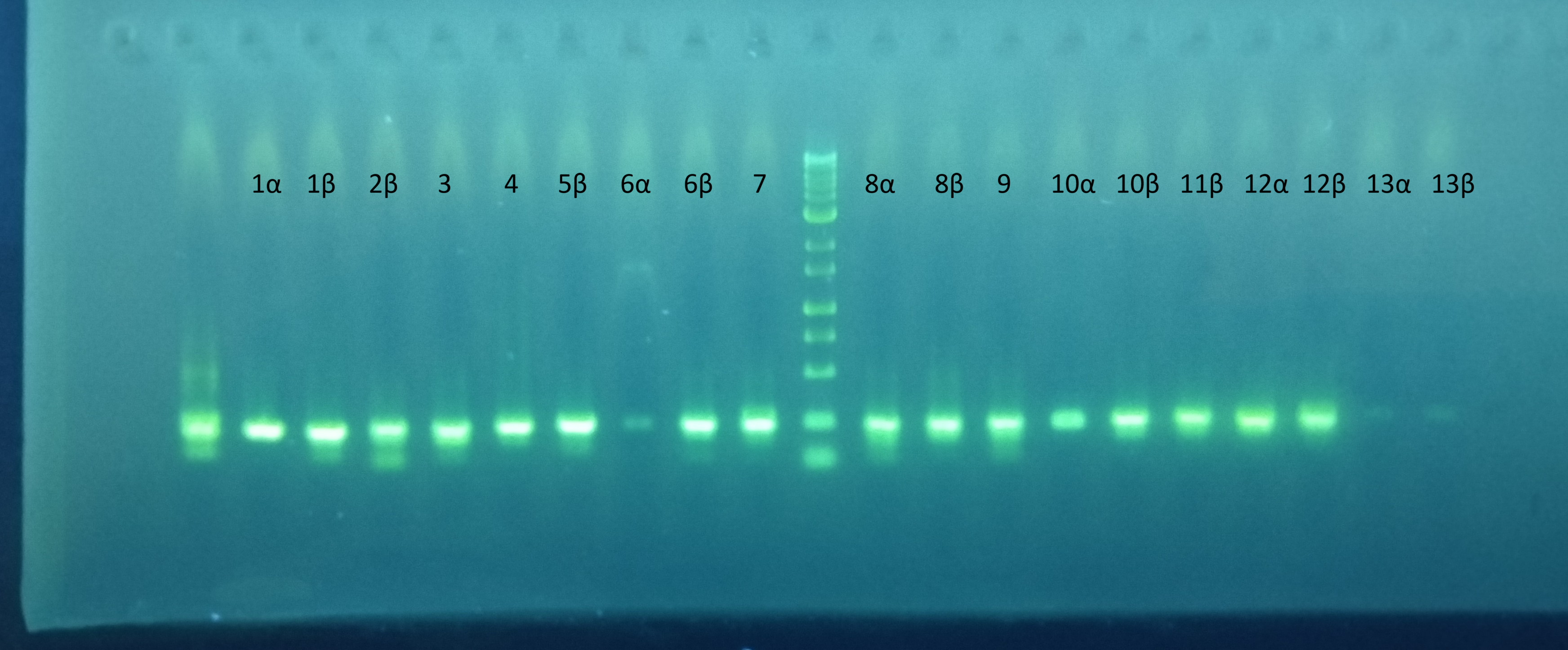
Beyond the analysis of skin mucus samples, the SturNet team achieved another important milestone by developing an innovative molecular technique capable of detecting and identifying multiple sturgeon species directly from environmental DNA (eDNA) present in water samples.
This breakthrough represents a significant step toward more efficient, non-invasive, and large-scale monitoring of endangered sturgeon populations. The methodology and its analytical framework are currently being prepared for publication in a scientific journal, where full details of the approach will be presented.
Stay tuned for upcoming publications and project updates!
The SturNet monitoring activities strengthen regional cooperation and provide reliable scientific data for the conservation of endangered sturgeon species and the sustainability of the Black Sea Basin ecosystem.
Back to Events